Super Call Me Fragile Ego
TextDaniel Marzona, Berlin 2021
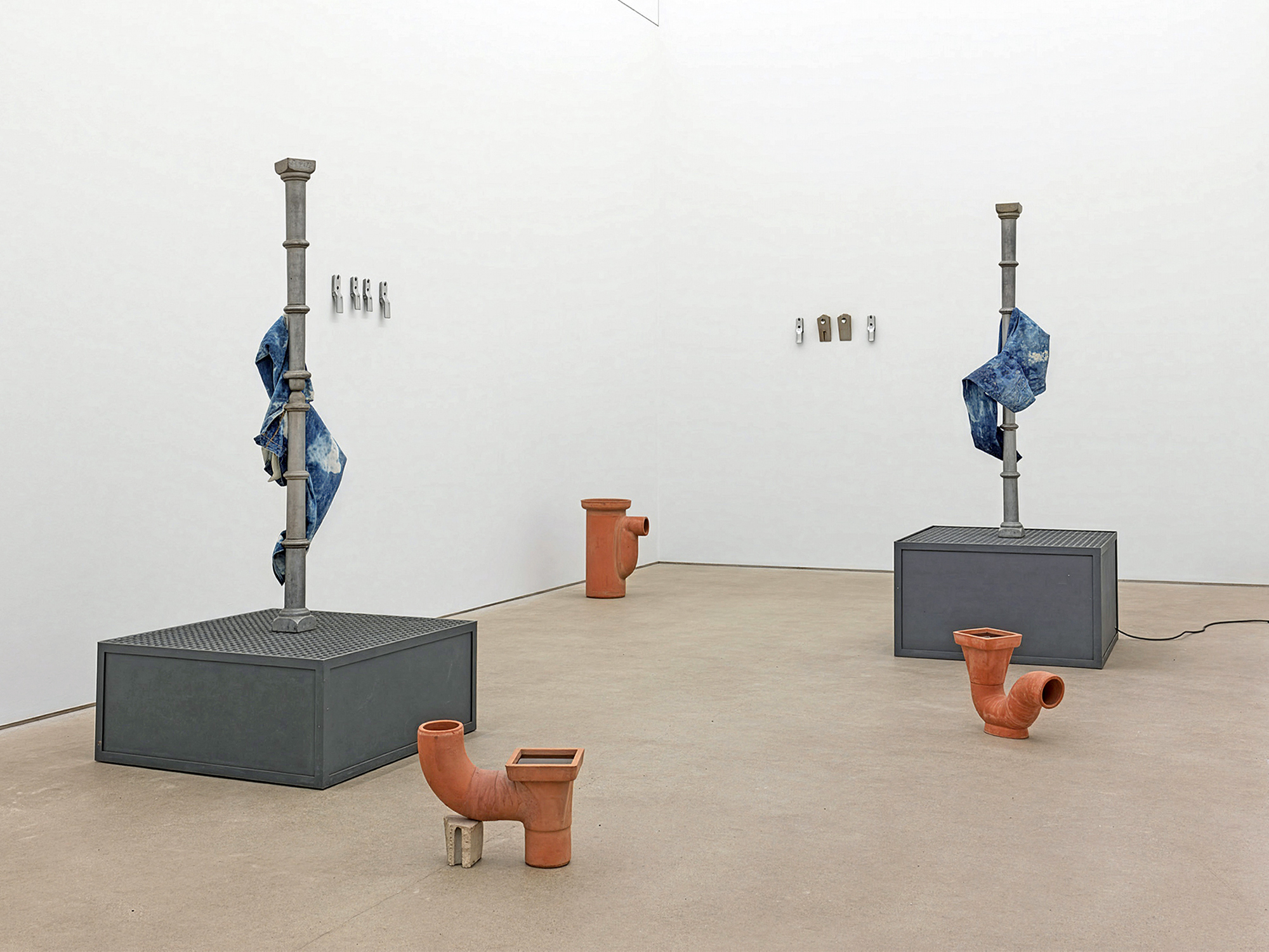
Super Call Me Fragile Ego, Daniel Marzona, Berlin, 2021, installation view
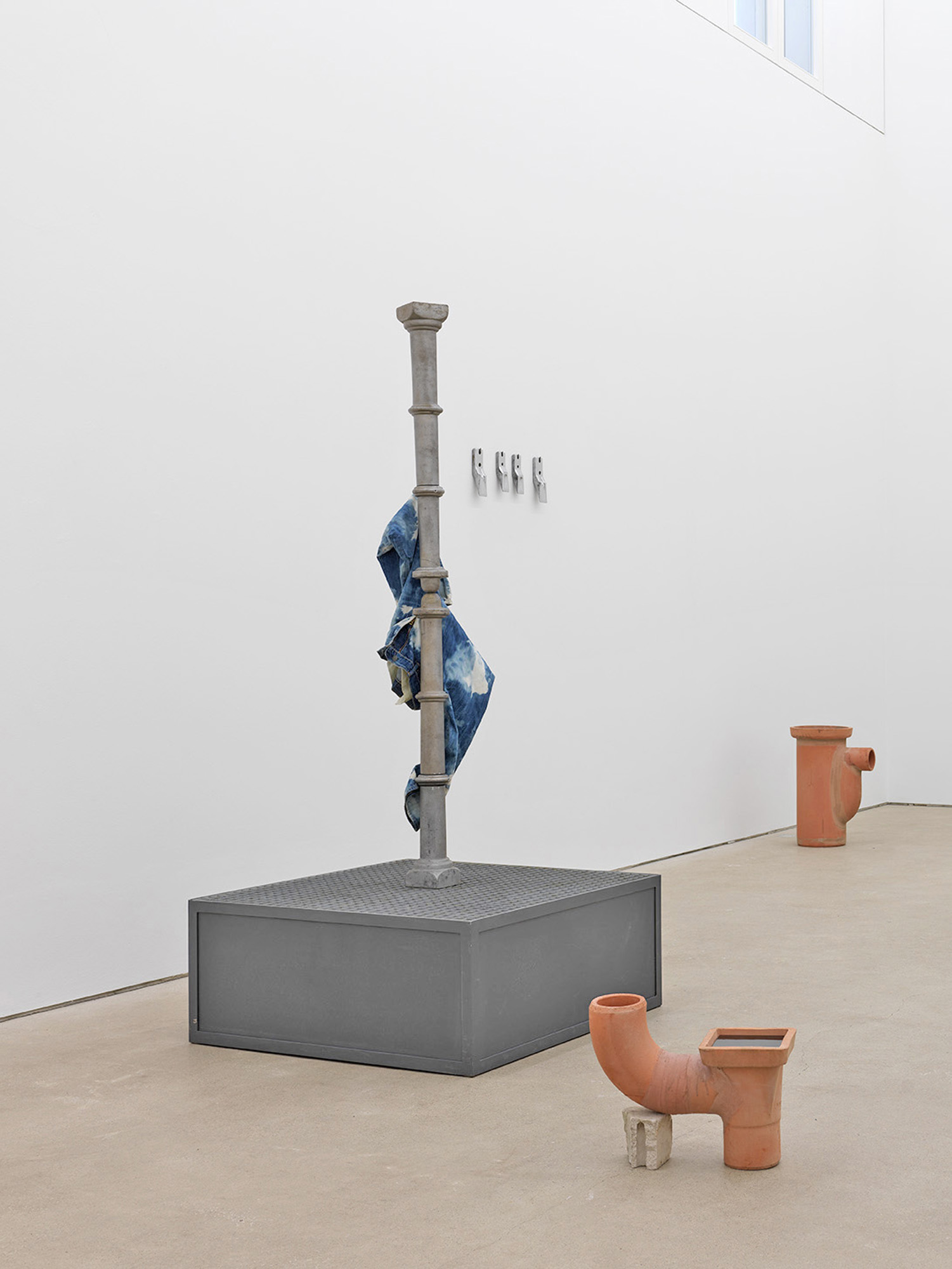
Super Call Me Fragile Ego, Daniel Marzona, Berlin, 2021, installation view
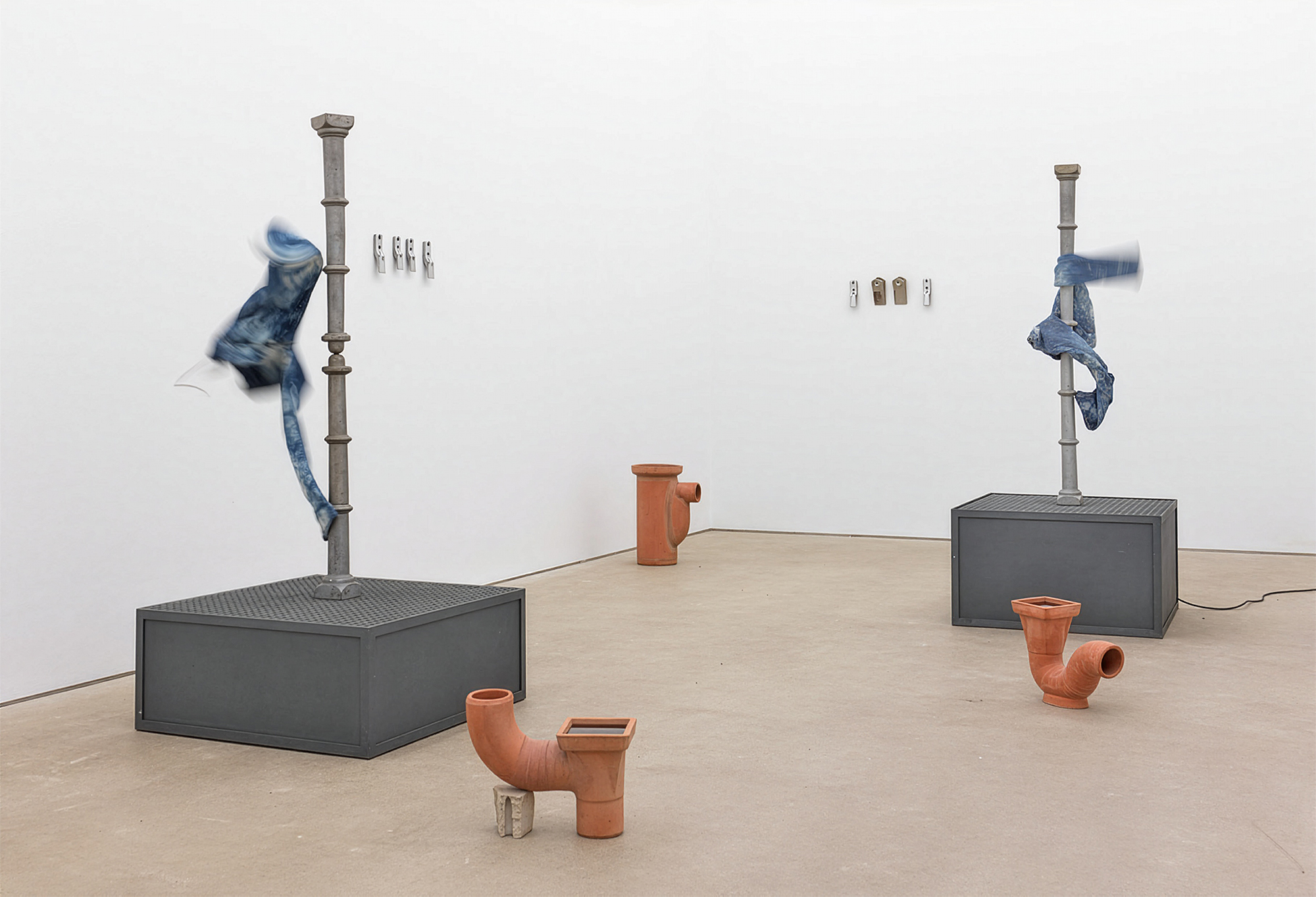
Super Call Me Fragile Ego, Daniel Marzona, Berlin, 2021, installation view
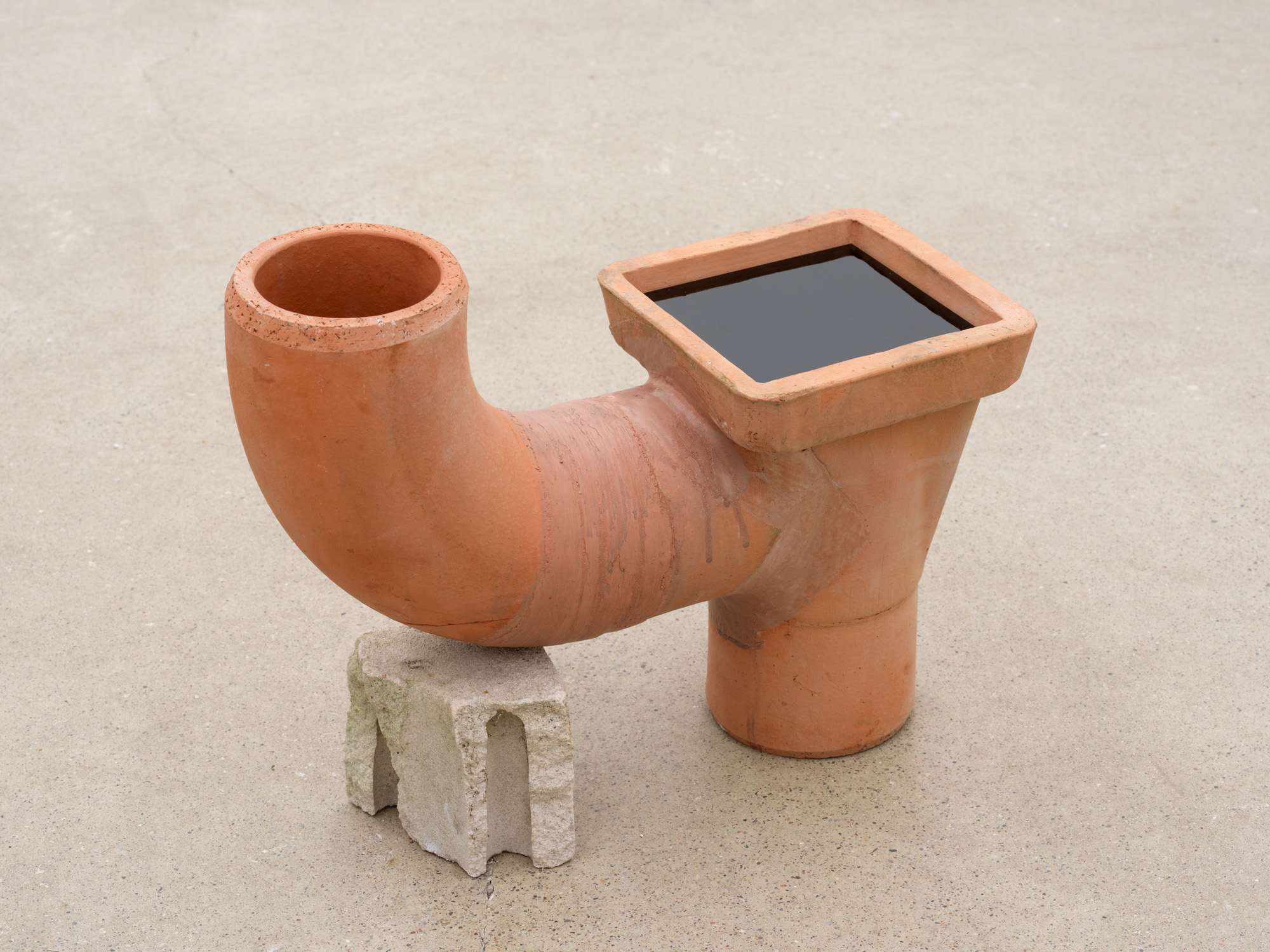
Super Call Me Fragile Ego III, 2021
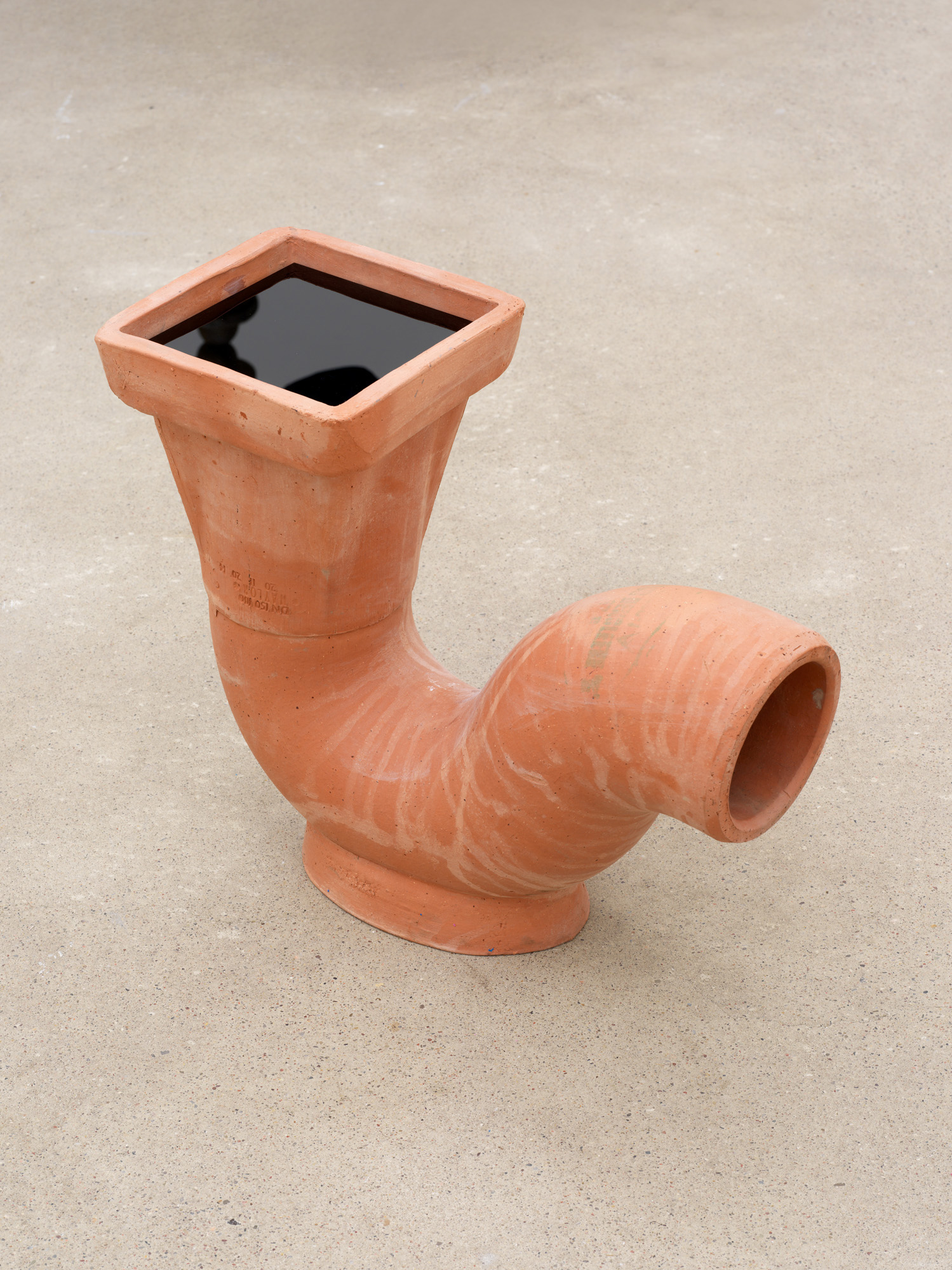
Super Call Me Fragile Ego I, 2021
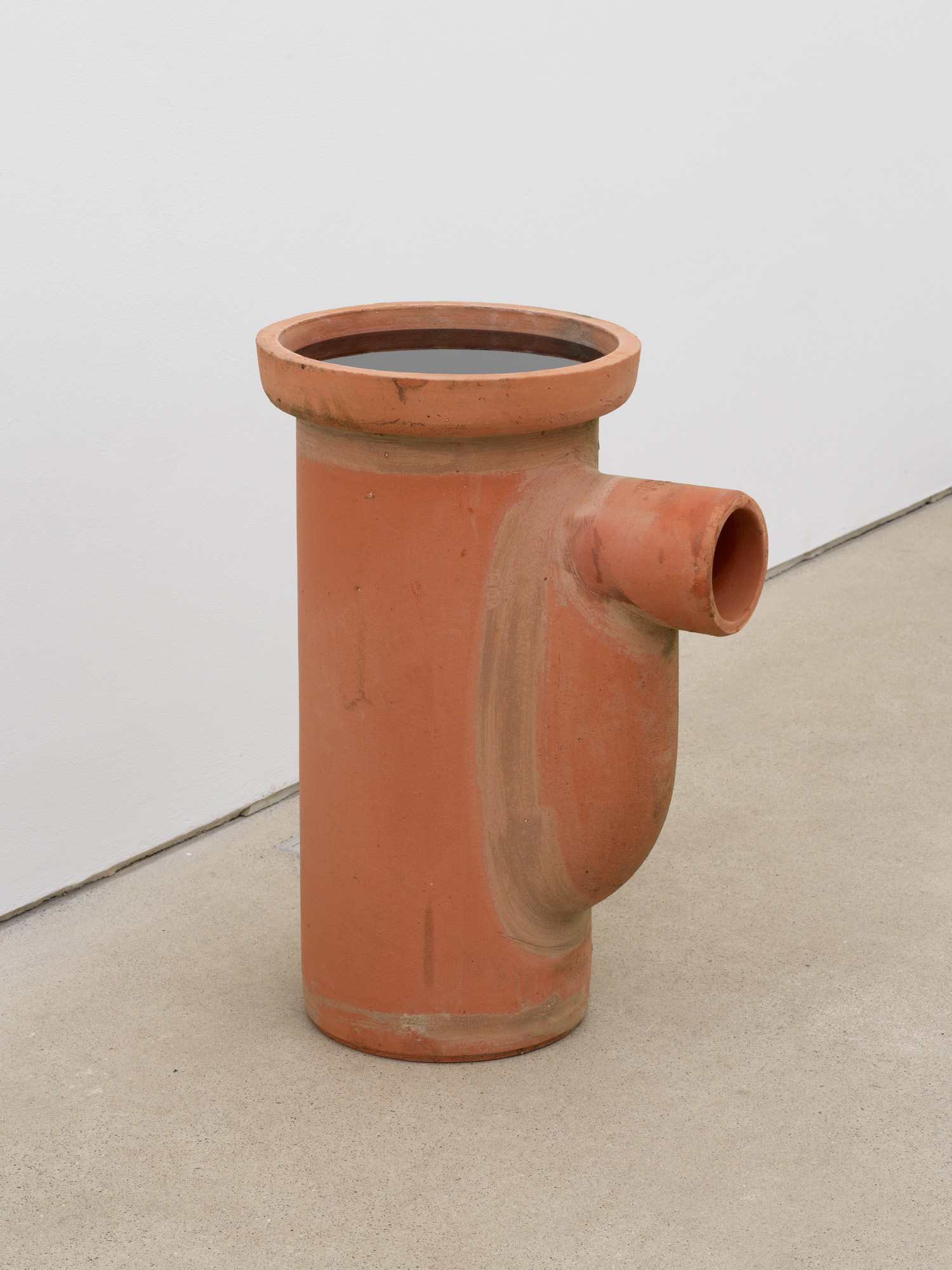
Super Call Me Fragile Ego IV, 2021
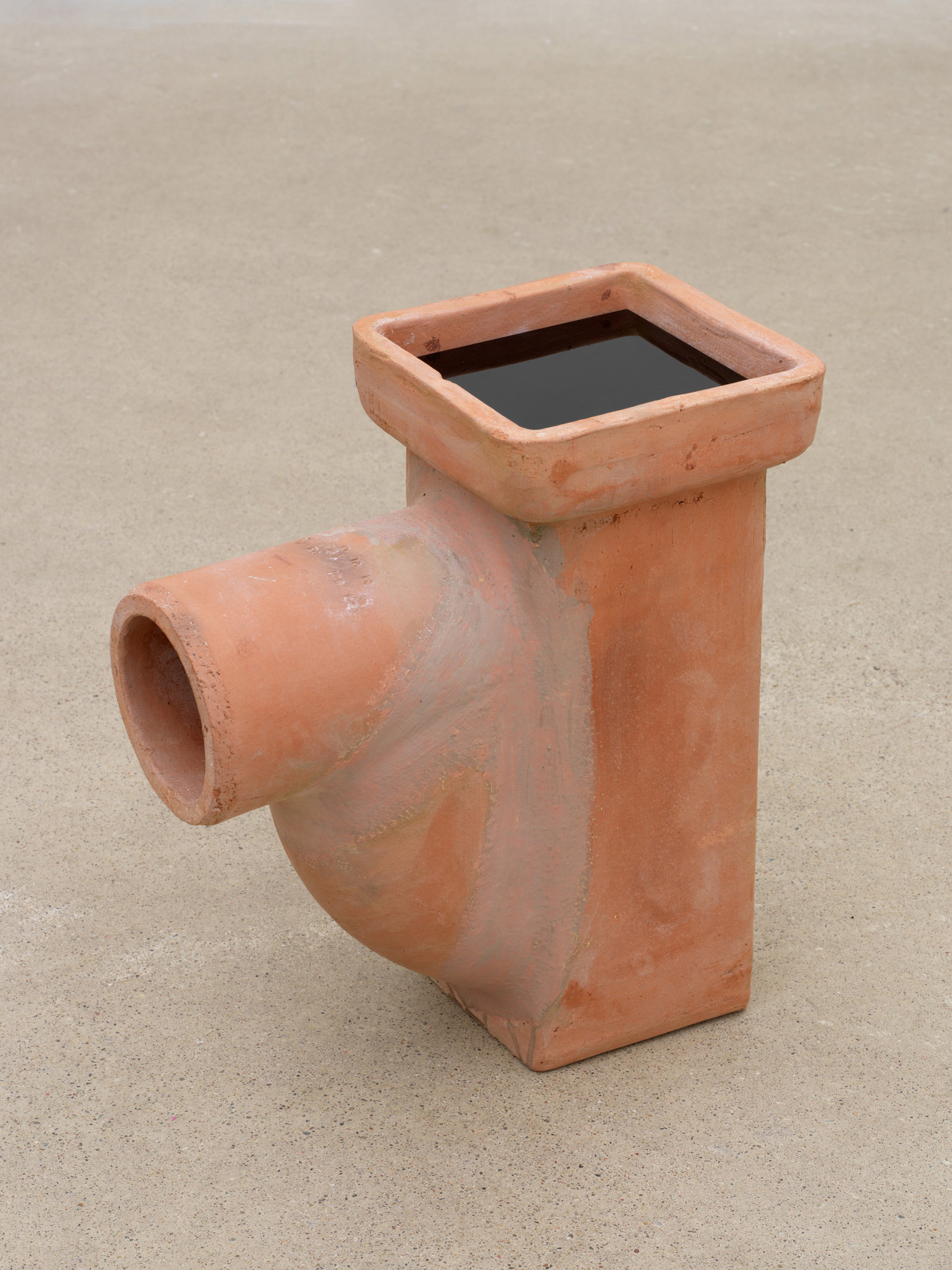
Super Call Me Fragile Ego II, 2021
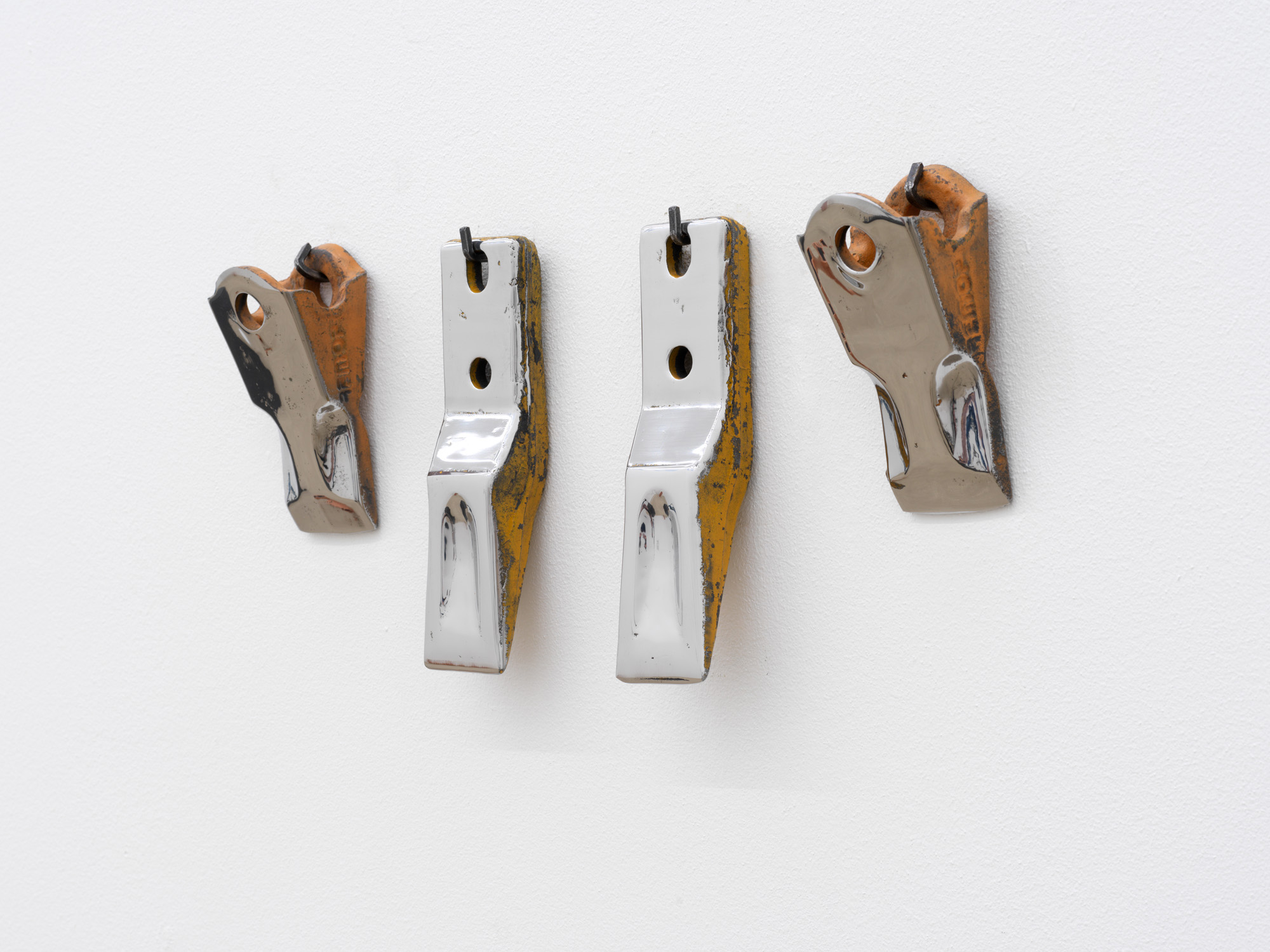
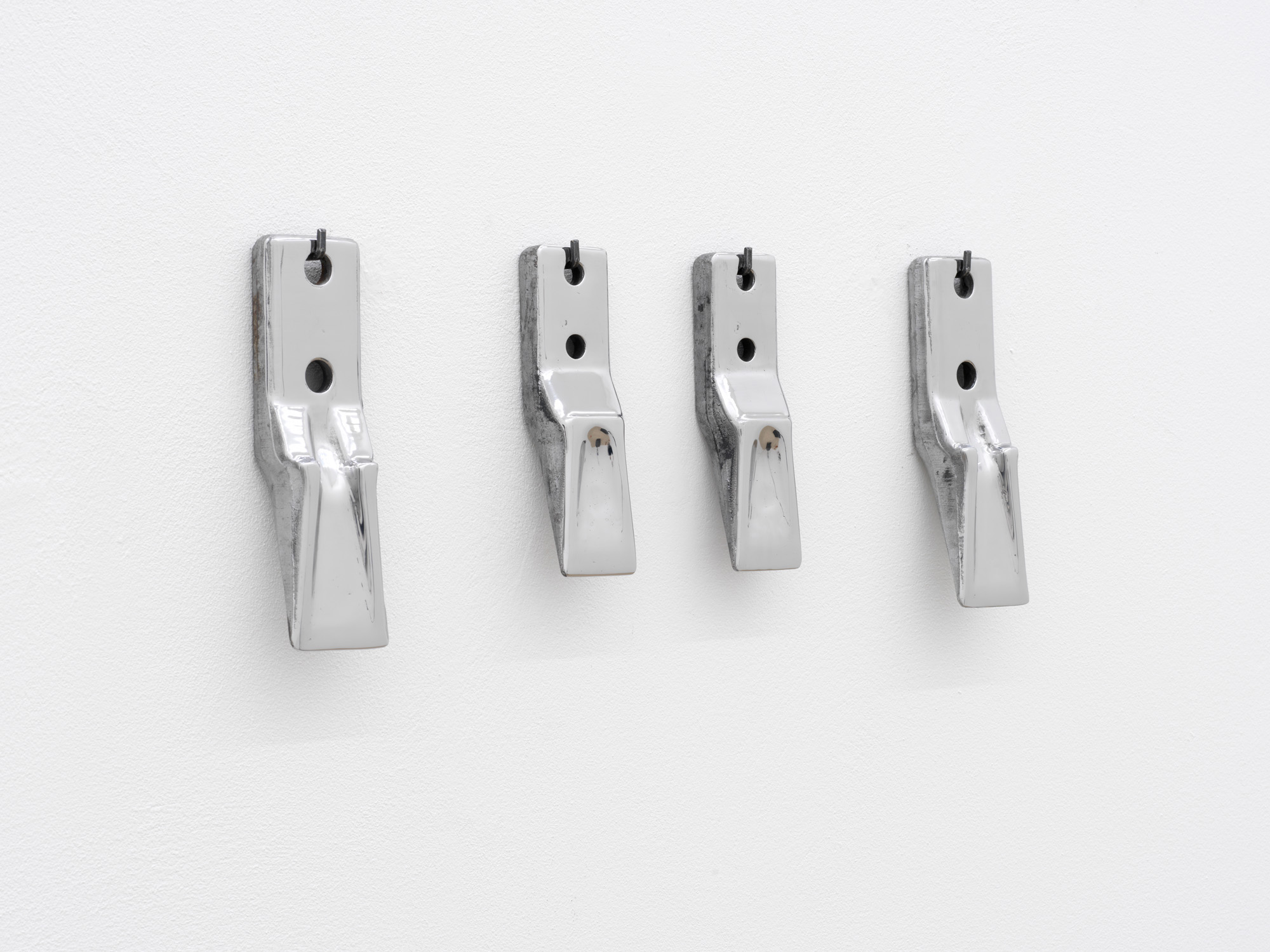
Undead, undead VI, 2021
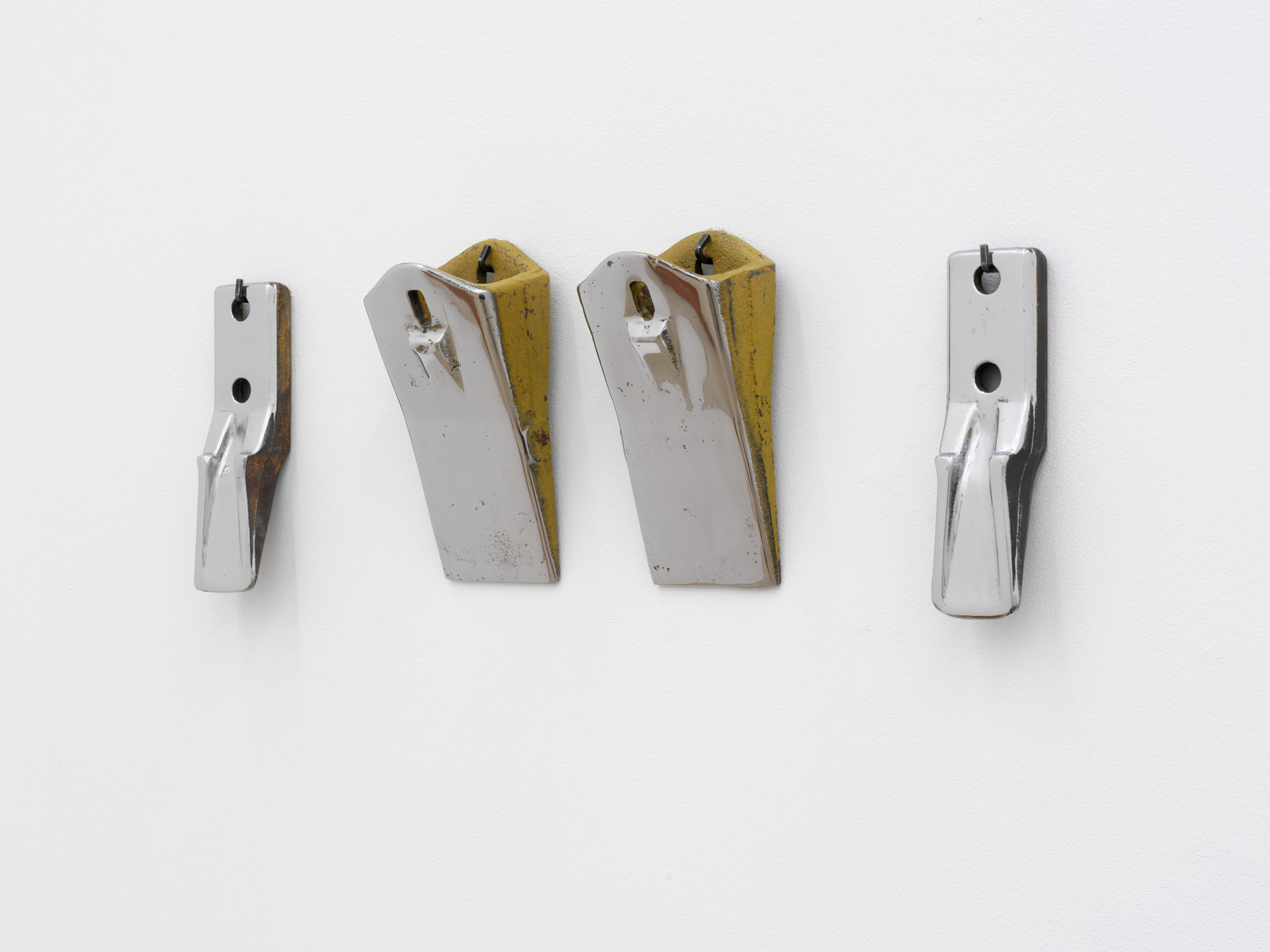
Undead, undead VIII, 2021
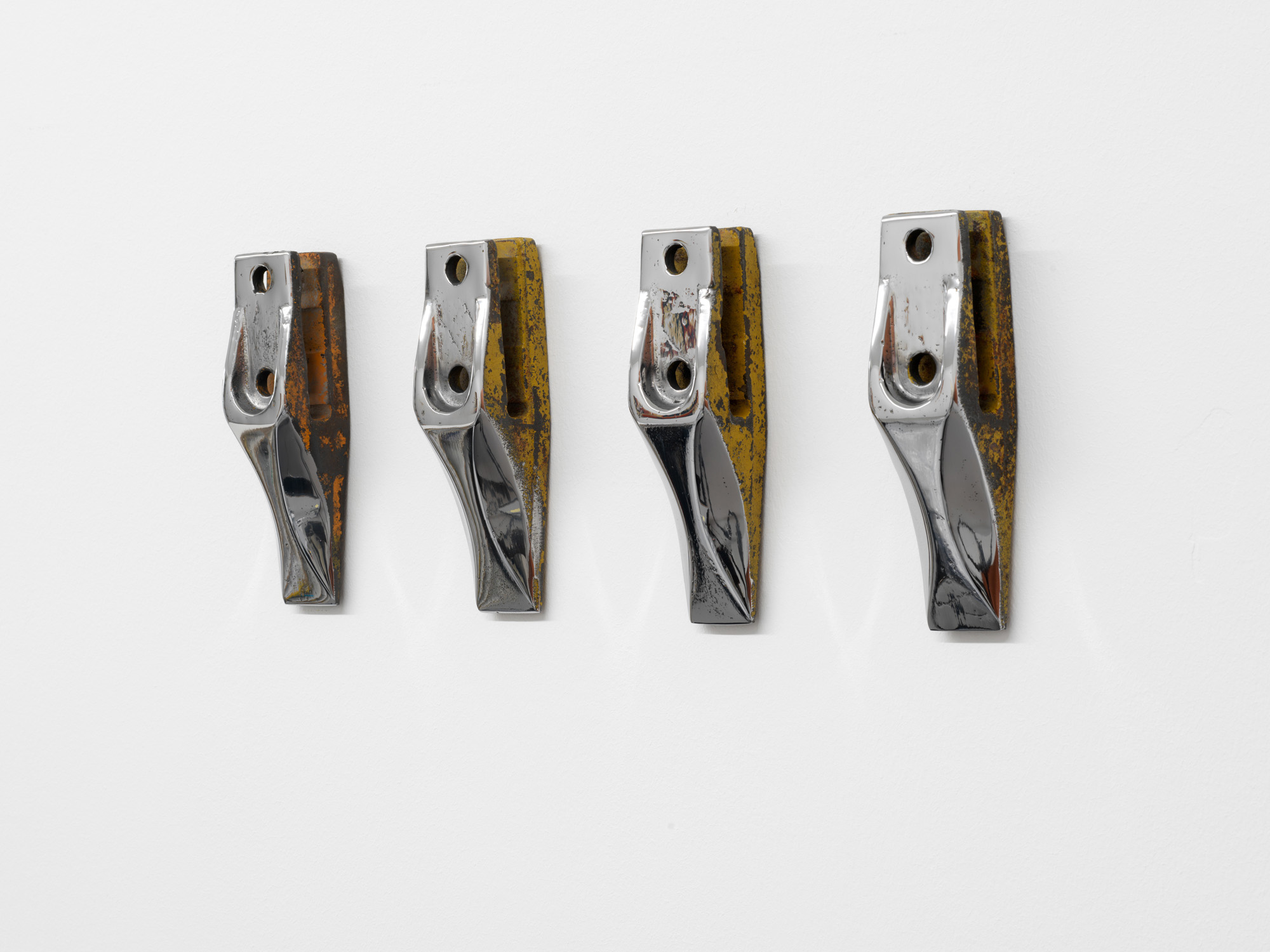
Undead, undead IX, 2021
Undead, undead XI, 2021
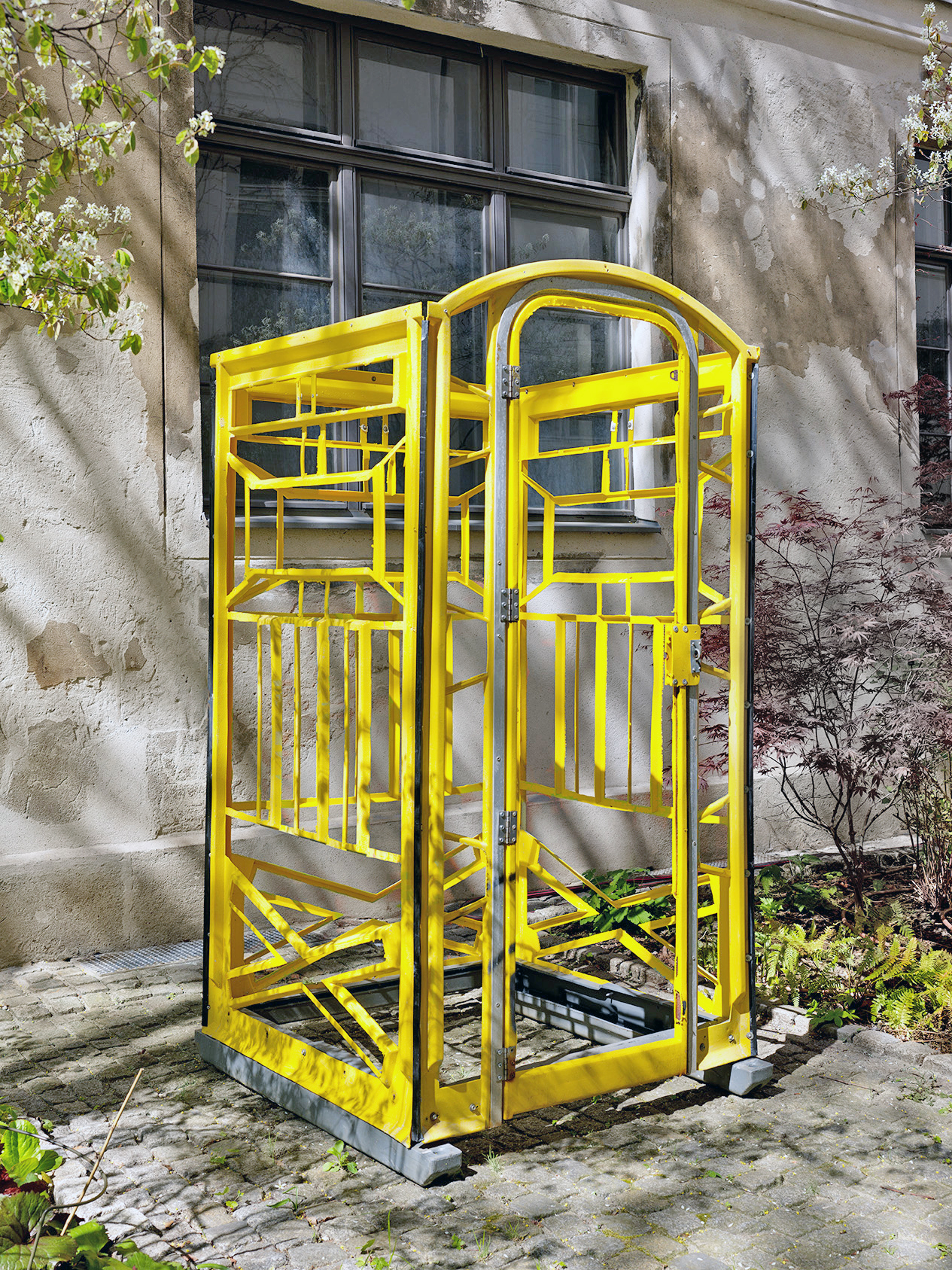
Lies Lies Lies Lies, Lies Lies Lies I, 2021
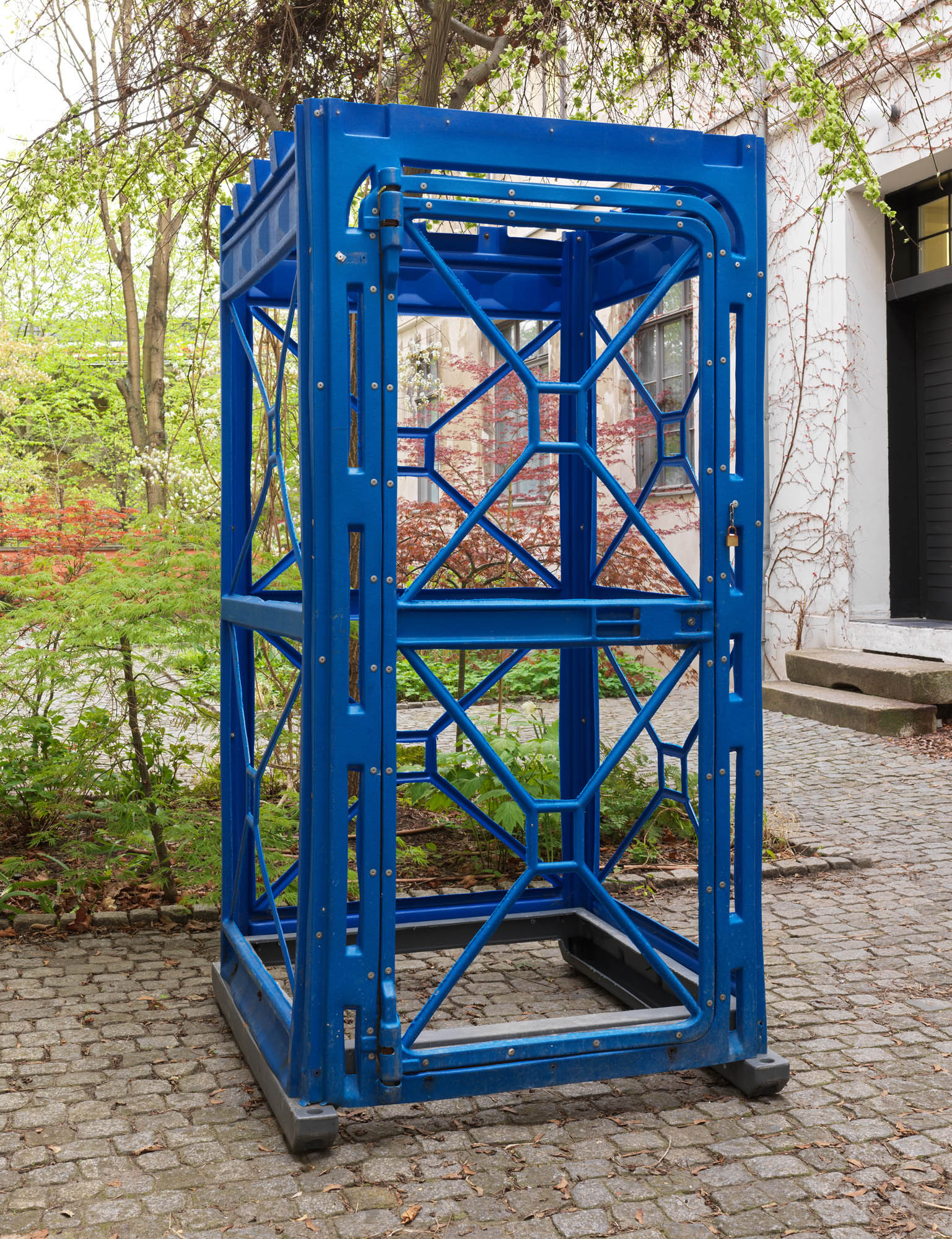
Lies Lies Lies Lies, Lies Lies Lies II, 2021
The work of Sofia Hultén is driven by an experimental questioning of the things we encounter in everyday life. Hultén's raw objects usually come to her second-hand, sourced online or found on the street. They bear marks of a previous life, suggesting hidden potentials and parallel possibilities in their compositional re-arrangements. Her materials often appear as fragments of a larger frame of activity, similar to a chapter in a longer storyline. Many of her works are brain-teasing, sometimes humorous demonstrations of the ways in which art, often more so than philosophy or science, can mediate between abstract reasoning and aesthetic experience. In her third solo-exhibition at the gallery Hultén presents two distinct groups of works which perhaps, more than ever, draw on personal experiences and perspectives. A series of kinetic sculptures, all titled Manly Rainy Moany, consist of wildly spinning bleached jeans attached to street poles which are animated by blowing air from drain-like grids below. These sculptures gyrate with the contra-dictions and discrepancies inherent in skinhead youth culture Hultén grew up alongside in Birmingham, England. Tying this to the upskirt-phenomenon these works subtly transform Hultén’s recollections into an absurd theater of uncontrolled, unintended and somewhat helpless movements – a pole dancing panorama of a different kind that humorously points to the ridiculous hollowness and vanity of a childish ideology which was largely driven by an outdated and ultra-conservative sense of masculinity. The second group of works in the show is based on the artist’s experiences in the past few years rebuilding a family house that had been burned to the ground, a process that led to dealings with crooked builders, flooding cellars and and a still unresolved trial. Various objects familiar from construction sites – digging teeth from large excavators, clay drainage pipes and traps, portable plastic toilets – are all re-arranged or altered to gain new meanings. Groups of various polished, reflective digging teeth presented on the gallery walls appear like the blood sucking incisors of vampires, while clay pipes and traps placed on the floor become outsized phallic artificial limbs. That all of the transfigurations taking place in Hultén’s recents works in the end move beyond the personal and touch the contemporary human condition becomes most apparent when you look at her versions of portable toilets which are installed outside in the gallery’s courtyard. Most of the plastic walls of the containers have been removed through careful cuts creating ornate open structures blandly reminiscent of architectural details from the classic Victorian era and subverting the boxes original purpose. If the Crystal Palace in London from 1851 was the architectural symbol of the early stages of a globalized world and its economic achievements, then what does it mean that Hultén’s iterations of portable toilets seem like perfect ciphers of where we stand now?